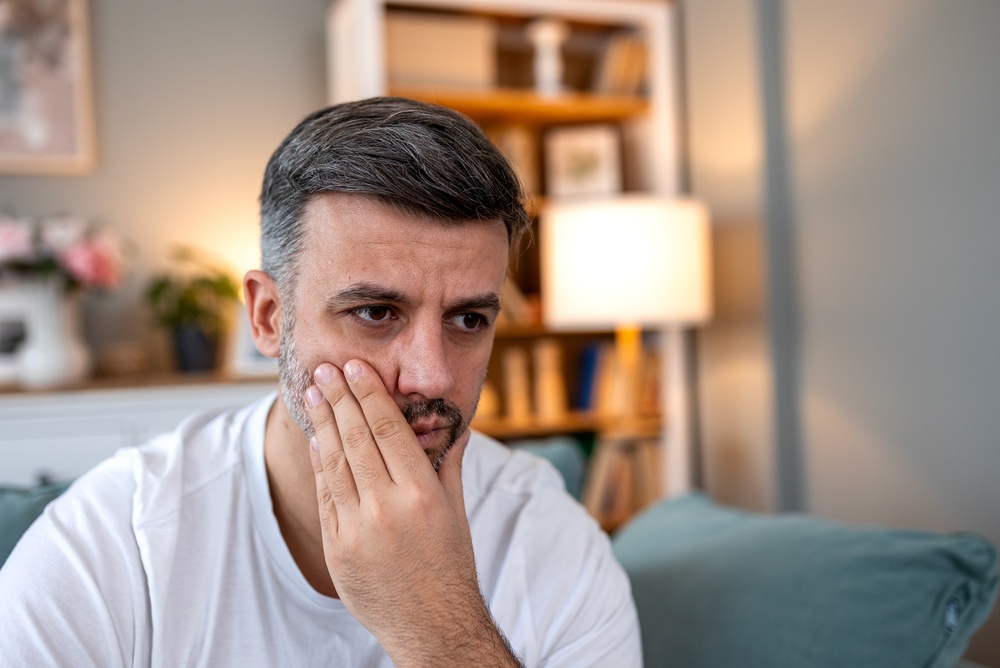
For most patients, getting a dental implant hurts much less than they expect. The area is fully numbed during surgery, so you’ll feel pressure rather than pain. Afterward, most people have mild to moderate soreness for a few days, similar to a tooth extraction, and over-the-counter pain relievers and ice usually control it.
At Cliffside Family Dentistry in Cliffside Park, NJ, Dr. George Dawoud and Dr. Shady Khalil place and restore dental implants with your comfort in mind. Here’s what you’ll feel at each stage and how to stay comfortable while you heal.
Does Getting a Dental Implant Hurt?
The procedure itself shouldn’t hurt. Before treatment begins, the area is numbed with local anesthesia. Patients usually describe the feeling as pressure or pushing, not sharp pain. Careful planning with 3D imaging also helps us place implants precisely, which keeps the procedure efficient.
Sedation Options for Nervous Patients
If the thought of oral surgery makes you anxious, you’re not alone. We offer several sedation options to help you relax:
- Nitrous oxide: A mild, fast-acting option that helps you feel calm
- Oral conscious sedation: A prescribed medication taken before your visit for deeper relaxation
- IV sedation: Deep relaxation for longer or more complex procedures
- General anesthesia: For patients who prefer to be fully asleep
How Painful Is Dental Implant Recovery?
Most discomfort shows up after the anesthesia wears off. A typical recovery for a single implant looks like this:
- Day 1: Soreness, mild bleeding, and some swelling are normal.
- Days 2–3: Swelling and tenderness usually peak, then begin to ease.
- Days 4–7: Most patients feel much better and are back to normal routines.
- After the first week: Any lingering tenderness is usually mild while the gums and bone keep healing.
How much soreness you have depends on how many implants were placed, whether you also had an extraction or bone graft, and how your body heals.
How Long Does Dental Implant Pain Last?
For a single implant, most soreness fades within about a week. Cases with several implants or bone grafting can take a little longer. Pain should improve each day. If it gets worse after the third day or stays severe, call our office.
How to Relieve Pain From a Dental Implant
- Take pain medication as directed. Over-the-counter options like ibuprofen or acetaminophen are often enough. Follow any prescription instructions exactly.
- Use ice the first day or two. Hold a cold pack on your cheek for about 20 minutes on and 20 minutes off.
- Keep your head elevated. An extra pillow at night can help limit swelling.
- Rest. Skip strenuous exercise for the first few days.
- Eat soft, cool foods and chew away from the implant site.
- Keep the area clean by following your rinse instructions.
- Don’t smoke. Smoking slows healing and raises the risk of complications.
Are Full Mouth Dental Implants Painful?
Full mouth treatment involves more surgical work than a single implant, so expect more swelling and soreness in the first few days. The same tools manage it: anesthesia and sedation during surgery, then medication, ice, rest, and a soft diet during recovery. Many patients say a few days of discomfort was worth it to be done with loose dentures or failing teeth. If you’re considering implant-supported dentures or same-day teeth, we’ll walk you through what recovery looks like for your case.
When Is Pain After a Dental Implant Not Normal?
Call us if you notice:
- Pain that gets worse instead of better after day three
- Swelling that keeps increasing after the first few days
- Fever, pus, or a bad taste that won’t go away
- Bleeding that won’t slow down with gentle pressure
- An implant that feels loose
These can be signs of infection or a healing problem, and they’re easier to treat early. Long term, good implant maintenance keeps your implant healthy and comfortable.
Is the Short-Term Discomfort Worth It?
For most patients, yes. A few days of soreness gets you a replacement tooth that’s anchored in your jaw, doesn’t slip, and lets you eat the foods you love. Once your implant heals, you can complete your smile with cosmetic treatments too. Many patients pair implants with porcelain veneers to match the teeth around them.
Comfortable Dental Implant Care in Cliffside Park, NJ
If worry about pain has kept you from replacing missing teeth, talk with our team. We serve patients from Cliffside Park, Edgewater, Fort Lee, and nearby communities. Have questions about cost? See our implant cost and affordability page or our dental implant FAQ.