Having a loose tooth isn’t just a concern for children awaiting a visit from the tooth fairy—it can also be a sign of more serious issues for adults. At Cliffside Family Dentistry, serving the greater New Jersey area, our commitment is to ensure your oral health is in optimal condition, offering expert solutions to maintain or restore a strong, healthy smile. If you’re searching to understand how to fix a loose tooth, you’re not alone. Let’s explore the causes, solutions, and expert care that can help keep your teeth securely in place.
Understanding a Loose Tooth
A loose tooth occurs when the supporting structures of the tooth become weakened. This can be due to gum disease, trauma, or other underlying health issues. Patients commonly notice increased mobility, discomfort when chewing, or even visible gaps.
Can a Loose Tooth Heal on Its Own?
In some cases, such as minimal trauma, a tooth may naturally stabilize. However, factors like underlying periodontal disease can hinder healing, making professional evaluation essential.
Professional Evaluation: When to See a Dentist
Early intervention is key. If you’re experiencing a loose tooth, especially if accompanied by persistent pain or swelling, scheduling an appointment with a dental professional ensures a thorough assessment and timely care.
What to Expect During a Dental Visit
Our comprehensive examination includes assessing the integrity of the tooth and supporting structures using advanced diagnostic tools. This helps us develop a personalized treatment plan tailored to your needs.
Treatment Options for Fixing a Loose Tooth
Various treatments are available depending on the cause. Scaling and root planing can manage gum disease by removing plaque and calculus. For stabilization, splinting may be used to bind teeth together. Bone grafting serves those with extensive bone loss, helping reinforce damaged areas.
The Role of Dental Implants in Replacing a Loose Tooth
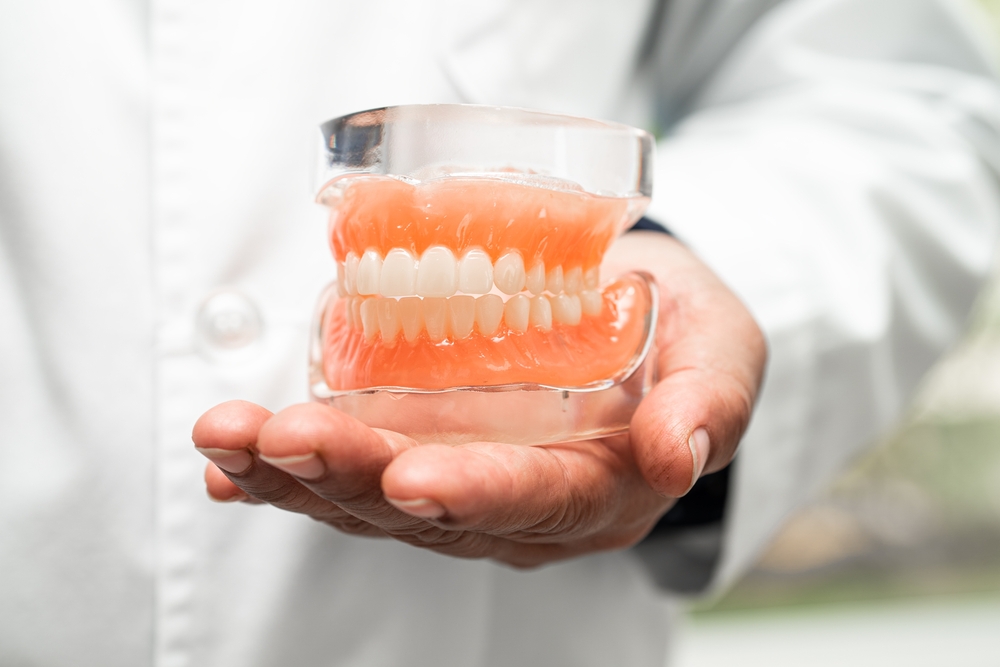
For severely compromised teeth, dental implants provide a durable solution. They replicate the natural tooth’s structure, offering better function and aesthetic results. Compared to dentures, implants do not require surrounding teeth for support, reducing future dental issues.
Comparing Treatment Options
Choosing the right treatment depends on factors like the severity of the condition and overall oral health. Implants typically offer the longest-lasting results but involve a more involved procedure.
Measuring Effectiveness and Recovery
While gum treatments can quickly enhance oral health, recovery from implants demands more time but often yields more permanent benefits.
Preventive Measures to Avoid Loose Teeth
Prevention is key. By maintaining proper oral hygiene, attending regular dental appointments, and avoiding habits like teeth grinding, you can significantly reduce the risk of developing loose teeth.
Patient FAQs: Answering Common Concerns
-
Can a loose tooth be saved? Depending on the cause and early intervention, yes, it often can.
-
What cost factors should I consider? Costs vary based on treatment type and insurance coverage.
-
How long does treatment take? This can range from weeks for stabilization to several months for implant integration.
-
Is treatment painful? Advanced techniques and anesthesia minimize discomfort, ensuring a smooth experience.
Our Approach at Cliffside Family Dentistry
We pride ourselves on our patient-focused care, from a warm practice environment to personalized treatment plans. Our commitment to advanced technology ensures efficient, comfortable procedures tailored to each patient.
Conclusion and CTA
Understanding how to fix a loose tooth involves knowing the causes, possible treatments, and preventive measures. At Cliffside Family Dentistry, our expertise in cosmetic and implant dentistry ensures you receive the highest quality care. If you’re dealing with a loose tooth or wish to discuss potential treatment options, don’t hesitate—contact us today for a consultation and let us help you restore your confidence with a healthy smile.