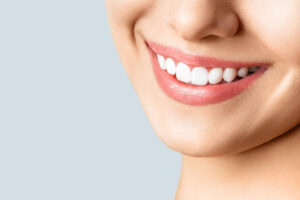
Dental veneers are thin shells placed over the front of teeth to change their color, shape, size, or length. The short answer to “what do they do to your teeth for veneers” is this: the dentist usually removes a small amount of enamel, makes an impression, and bonds a custom shell to each prepared tooth. Expect a consultation, a short prep visit, temporary veneers while the final ones are made, and a final bonding appointment. After treatment your smile will look different, and the prepared teeth will need ongoing care because some natural enamel is permanently altered.
What are dental veneers?
Dental veneers are custom-made coverings for the front surface of teeth. Two common types are porcelain veneers and composite veneers. Porcelain veneers are made in a lab, resist stains well, and look very natural. Composite veneers are placed and shaped directly on the tooth by the dentist, can be done in one visit, and cost less but stain more over time. People choose veneers to whiten teeth, change tooth shape, close small gaps, and fix chips or minor crowding.
The veneer process: step-by-step
1. Consultation and planning
Your dentist will examine your teeth, take photos and X-rays if needed, and discuss what you want to change. They may show before-and-after photos or make a mock-up so you can preview the result. This visit is where you and the dentist agree on color, shape, and whether veneers are the best option.
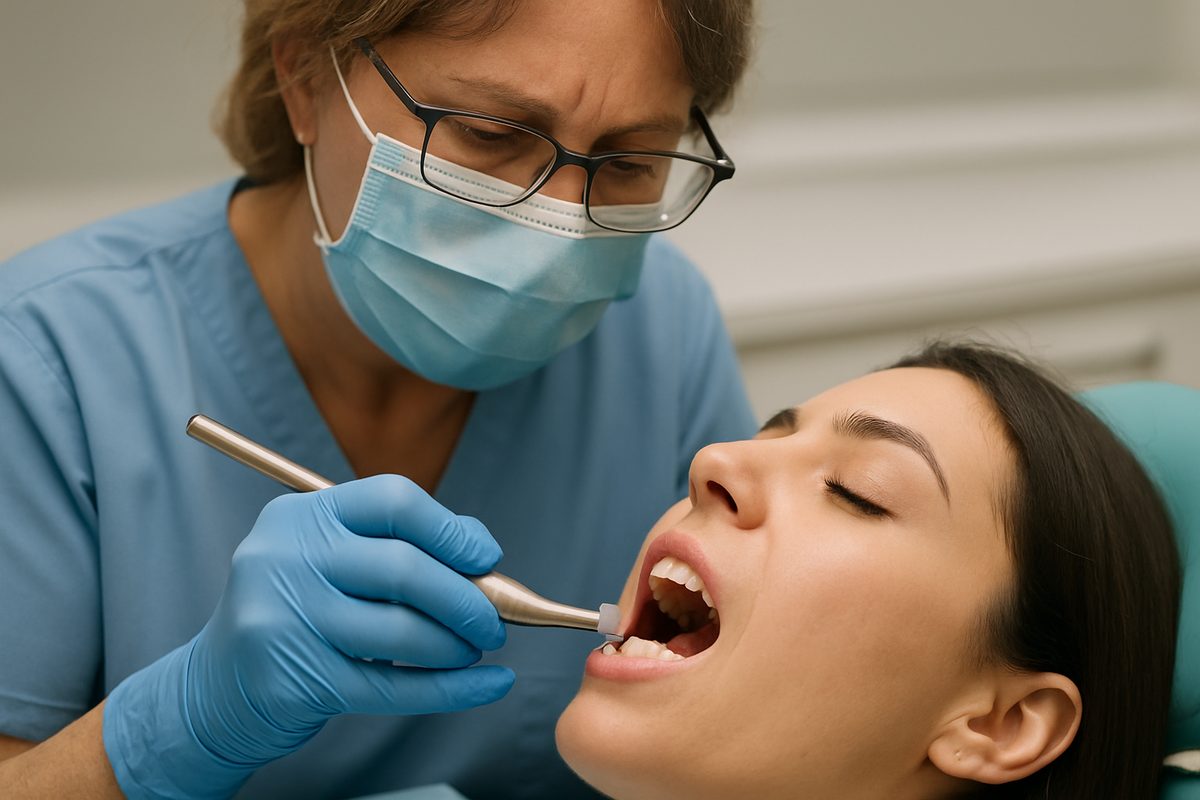
2. Tooth preparation — what they do to your teeth for veneers
Most veneers require removing a thin layer of enamel from the front of each tooth — typically about 0.3–0.7 mm. This creates space so the veneer sits flush and looks natural. Some options are minimal-prep or no-prep veneers, which remove very little or no enamel, but they are not right for everyone. Removing enamel is permanent, so once a tooth is prepared for traditional veneers it will always need a restoration on that surface.
3. Impressions and temporary veneers
After prepping, the dentist takes impressions or uses a digital scanner. The final porcelain veneers are usually made in a lab and can take one to two weeks; some offices can mill veneers the same day. While you wait, temporary veneers protect the prepared teeth and let you test the look and bite. Temporaries may feel bulkier and are not as durable as the final veneers.
4. Bonding the veneers
At the final visit the dentist cleans and roughens the tooth surface slightly, trials each veneer for fit and color, checks your bite, and makes adjustments. The veneers are then permanently bonded with dental cement and cured with a special light. You may feel pressure during the fitting, but the process is generally painless when done with local anesthesia if needed.
How much of your natural tooth is changed?
Veneer prep usually removes a small amount of enamel. This loss is irreversible. If a tooth is very damaged, has large fillings, or needs extensive rebuilding, a crown (which covers the whole tooth) or other treatment may be better than a veneer. Signs you might not be a good candidate for veneers include active decay, severe bite problems, heavy grinding (bruxism), or insufficient enamel. In rare cases where the nerve is injured or infected after prep, a root canal could be necessary.
Benefits and risks of dental veneers
Veneers offer several advantages:
- Immediate cosmetic improvement and a natural look
- Porcelain resists stains better than natural enamel
- Durable — porcelain veneers often last 10–15 years or more with care
Possible risks include:
- Increased tooth sensitivity after enamel removal
- Chipping or cracking if you bite hard objects
- Color mismatch if surrounding teeth change shade later
- Need for replacement over time and the irreversible nature of prep
Caring for dental veneers after placement
Treat veneers like natural teeth: brush twice a day with a non-abrasive toothpaste, floss daily, and keep routine dental checkups. Avoid chewing hard foods, ice, or using teeth to open packages. If you grind your teeth, a nightguard can protect veneers. Manage any sensitivity with fluoride toothpaste and talk to your dentist if sensitivity persists. Watch for signs it’s time to repair or replace veneers: chips, gaps at the edge, looseness, or dark lines near the gumline.
How to choose a dentist for dental veneers
Look for a dentist with experience placing veneers and a portfolio of before-and-after photos. Ask about the materials and the lab that makes porcelain veneers. Confirm whether your dentist offers a smile preview, digital mock-up, or temporary try-in so you can see the proposed result. Ask about warranties, follow-up care, and what happens if a veneer chips or comes off.
Dental veneers can dramatically change your smile, but they require removing some enamel and ongoing care. Bring questions to a consultation, schedule an exam to confirm if you’re a good candidate, and ask for a smile preview or a written quote before you start. A clear plan and the right dentist help you get a result you’ll be happy with.